Stream State: Methods to Get within the Zone

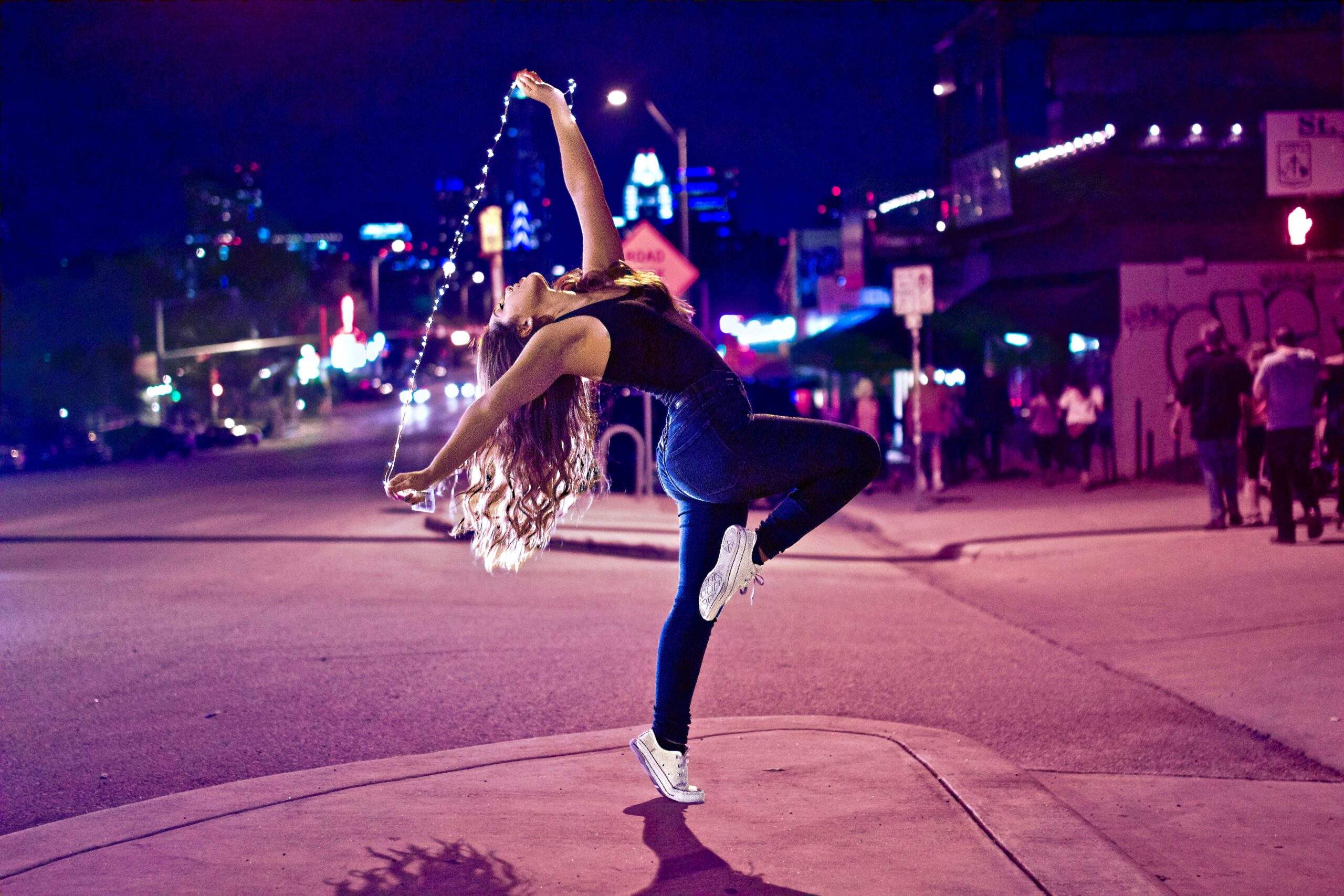

As you might have very probably skilled by mindfulness follow, our atypical state just isn’t one in all circulation, however of thoughts wandering—a state wherein our consideration drifts between the current second and ideas about previous and future. After we follow presence, we start often shifting our consideration again to the current second every time our thoughts wanders.
Turning consideration into engagement is analogous. Consider it as “directed presence” or as cultivating presence within the midst of the actions we interact in, whether or not it’s brainstorming with colleagues, figuring out, catching up with our companion, or placing our children to mattress. Psychologists have a reputation for this state of full engagement. They discuss with it as “circulation.”
Mihaly Csikszentmihalyi, one of many first psychologists to hold out analysis on this expertise, talks about it in his guide Stream: The Psychology of Optimum Expertise. He describes circulation as “the state wherein individuals are so concerned in an exercise that nothing else appears to matter; the expertise itself is so fulfilling that individuals will do it even at nice value, for the sheer sake of doing it.”
Linking Stream State and Mindfulness
By definition, you possibly can expertise presence any time, wherever: mendacity on the seashore, strolling to your automotive, or sitting in visitors. It may be both passive or lively. Stream, then again, is a purely lively state that feels virtually easy. In accordance with Csikszentmihalyi, the perfect situations for circulation come up when “each challenges and expertise are excessive and equal to one another.”
Many high athletes, artists, and intellectuals describe this expertise. Greek tennis champion Stefanos Tsitsipas not too long ago described the dramatic shift between when he’s taking part in usually, versus when he’s taking part in in a circulation state: “It felt like I used to be in a cage and somebody determined to unlock it. I immediately felt free. Each resolution I went for felt proper,” he mentioned. “It brings you to a different degree. You’re not taking part in along with your ability any extra, you’re taking part in along with your soul.”
Stream doesn’t at all times come naturally. We frequently have to withstand the temptation of short-term pleasure to get there.
Buster Williams, the legendary jazz bassist, remembers his expertise taking part in with Miles Davis that led to a heightened state of engagement. “With Miles, it will get to the purpose the place we adopted the music slightly than the music following us. We simply adopted the music wherever it wished to go.”
These descriptions may make circulation sound mystical, however you don’t should be a star tennis participant or a legendary jazz bassist to expertise a state of full engagement. Whether or not it’s on a difficult morning run, throughout an vital PTA assembly, or whereas delivering a presentation at work, circulation is one thing that everybody can entry. For instance, Csikszentmihalyi’s analysis discovered that full-time caregivers have been simply as prone to expertise this state as athletes and musicians. One mom described a state of engagement taking place as she labored together with her daughter when she was discovering one thing new. “Her studying is one factor that she’s actually into, and we learn collectively. She reads to me, and I learn to her, and that’s a time after I kind of lose contact with the remainder of the world. I’m completely absorbed in what I’m doing.”
FOMO–The Stream of Lacking Out?
Csikszentmihalyi and fellow researcher Martin Seligman’s analysis illuminates the connection between circulation and well-being. In a single examine, his group had 250 “high-flow” and 250 “low-flow” youngsters preserve a document of their temper at particular occasions all through the day. When the group examined the responses, the low-flow teenagers spent the majority of their time in a state of disengagement, and have been mentioned to both be hanging out on the mall or watching tv. The high-flow teenagers, against this, have been extra prone to spend their time creating hobbies, educational pursuits, and athletic talents.
How did these two teams rating on measures of happiness? It turned out that the high-flow group outperformed the low-flow group on each measure of psychological well-being, besides one. Seligman writes, “The exception is vital: The high-flow youngsters suppose their low-flow friends are having extra enjoyable, and say they’d slightly be on the mall doing all these ‘enjoyable’ issues or watching tv.”
The one drawback of experiencing circulation was the sensation of lacking out on short-term pleasures. Pleasures that fail to provide long-term happiness. Two useful conclusions will be drawn from this analysis.
First, engagement is related to a rise in happiness and well-being. The extra we reside within the state of circulation, the extra we develop and expertise significant success. Nevertheless, experiencing psychological well being challenges like melancholy and anxiousness might correlate to a decreased capacity to entry circulation. In a 2022 examine printed in PLOS One, researchers examined 664 musicians (a inhabitants with excessive charges of hysteria) and the elements that made them kind of amenable to a circulation state whereas performing. The researchers discovered that the extra anxiousness a musician reported, the much less probably they have been to expertise circulation.
Secondly, circulation doesn’t at all times come naturally. We frequently have to withstand the temptation of short-term pleasure to get there. After we do, we set the stage for this beautiful expertise of whole absorption within the process at hand.
3 Necessities for Stream State
As Csikszentmihalyi and subsequent circulation researchers have recognized, three major situations are wanted to expertise circulation:
1. A transparent and purposeful set of objectives on your exercise, which helps channel your consideration.
2. A subjective sense of stability between the difficult nature of the exercise and your skill-level to navigate it, which results in feeling absorbed within the exercise.
3. Clear, instant suggestions telling you the way nicely you’re progressing and the place you possibly can enhance.

To create these supreme situations for circulation, reserve 10 minutes (or extra) every day for engaged and purposeful work. Shut down or silence your telephone, shut your browser and electronic mail, and switch off the TV to get rid of digital distractions. Now, use these 10 minutes to deal with a challenge, process, or interest you discover troublesome but fulfilling. When you make a mistake or a consequence isn’t what you meant, as a substitute of criticizing your self, merely see it as suggestions and alter what you’re doing accordingly.
It’s also possible to strive alternating between intervals of targeted engagement and intervals of relaxation and restoration. Discover when your pondering begins to decelerate or once you’re now not working at peak ranges of focus. Then shift your habits by taking time to permit your thoughts to recharge: Stroll round, stretch, or take a number of deep breaths. Lastly, rewire your mind to create this behavior by savoring the sensation of giving your thoughts and physique a nicely earned break. Neuroscientist Judson Brewer says it’s highly effective once we begin to discover: “What’s it like after I get caught up in pondering, in comparison with after I’m noticing these physique sensations which can be attempting to inform us to do issues, and simply being with them? We simply should get out of our personal manner.”
Methods to Get into the Stream State: 3 Necessities
For some, circulation comes virtually naturally. Mozart began taking part in live shows at age six. Picasso painted his first masterpiece at eight. Individuals like Mozart and Picasso don’t should consciously prepare the ability of engagement. This expertise of whole absorption within the process at hand turns into a lifestyle early on.
Nevertheless, for many of us, discovering how you can get right into a circulation state requires a bit extra follow and reflection.
Step one is to establish actions that provide the potential for circulation. Listed here are three factors that can assist you establish which actions, both at work or at dwelling, could also be conducive to a circulation state for you:
- Problem: Do not forget that circulation doesn’t come up when issues are straightforward. It’s truly the other. Stream arises once we push our expertise and skills to their very restrict. What are the actions that problem you?
- Enthusiasm: Stream and lack of curiosity don’t go nicely collectively. You don’t have to like the exercise that you’re doing, however it helps should you select one thing that brings you at the very least some degree of enjoyment. What are the duties you get pleasure from doing?
- Talent: Stream requires a sure degree of mastery. A newbie studying to play her first track on the piano is much less prone to expertise circulation than a live performance pianist with twenty years of expertise. You don’t have to realize full mastery, however attaining a excessive degree of ability is important. What are your most extremely developed or pure expertise?
Write your solutions to those three questions on a sheet of paper. Then take a while to replicate on the actions in your life that let you expertise these three qualities.
Tailored from Begin Right here: Grasp the Lifelong Behavior of Wellbeing by Eric Langshur and Nate Klemp, PhD.